

Safety Tips for Solo Walkers
Walking alone in the mountains doesn't have to be risky. We've put together practical strategies that help you stay safe while enjoying Waterford's beautiful trails.
Why Solo Walking Matters
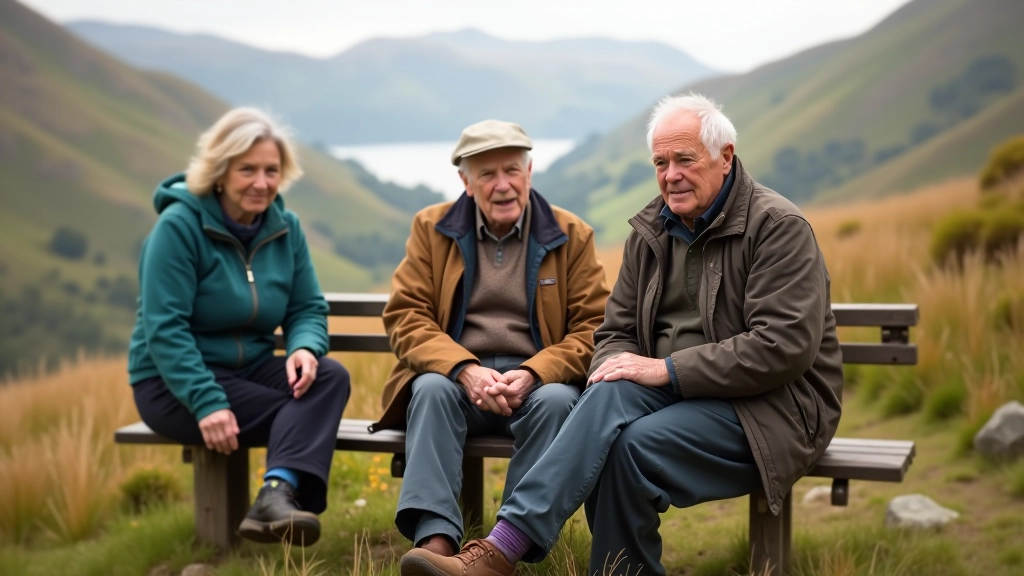
Many people love exploring Comeragh Mountain trails on their own. There's something special about moving at your own pace, stopping when you want, and just being with your thoughts. But walking solo does come with its own considerations.
The good news? You don't need to feel anxious about it. With the right preparation and awareness, solo walking is absolutely doable. We've guided hundreds of people through these mountains, and the ones who feel most confident are those who've thought through a few key safety principles beforehand.
The Foundation
Safety on the trail comes down to three things: preparation, communication, and awareness. You're not trying to be a mountain expert — you're just being smart about what you do.
Tell Someone Where You're Going
This is the single most important thing. Before you leave, tell a family member, friend, or neighbor exactly where you're walking and when you'll be back. Not a vague "I'm going for a walk" — actual specifics.
Share the trail name, the estimated time you'll be out, and what time they should expect to hear from you. If you don't check in by that time, they know something's wrong. We've seen this simple step make a massive difference in rescue situations.
- Write down your planned route and leave it somewhere visible
- Send a text with parking location and expected return time
- Check in once you're back — don't make people worry
- Consider a simple check-in call system with a trusted friend
Carry the Right Gear
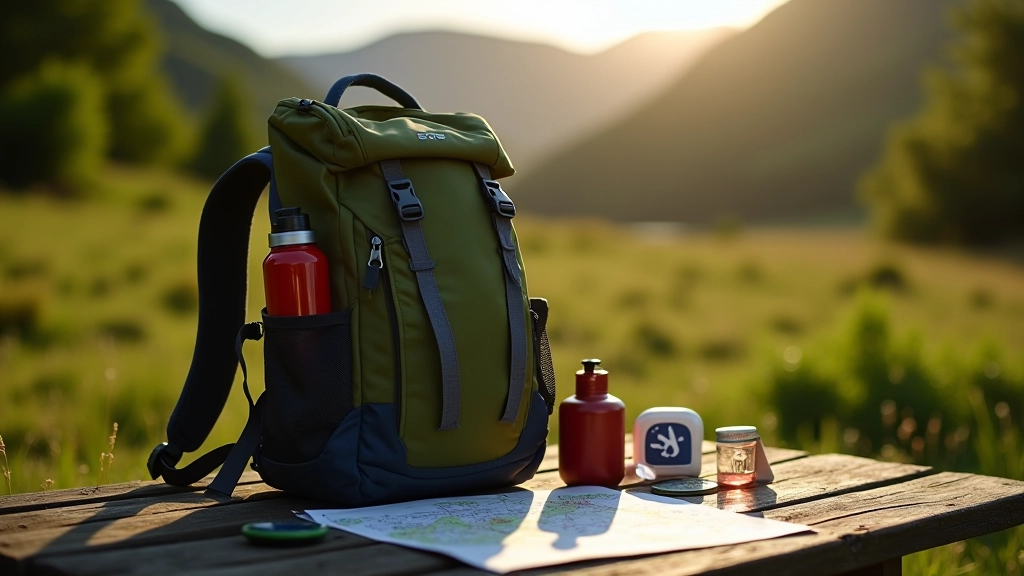
You don't need to load yourself down with equipment, but certain items make a genuine difference. A mobile phone is essential — even if you can't make a call, emergency services can locate you. Keep it in a waterproof pouch.
Pack water, even for shorter walks. Dehydration happens faster than you'd think, especially when you're focusing on the trail. A basic first aid kit takes up minimal space. A whistle costs nothing and can signal for help from far away — much louder than shouting.
Wear layers you can adjust. Weather changes quickly on Comeragh, and you'll stay safer if you're comfortable. Bring a torch or headlamp if you might be out near dusk. That's it. Nothing fancy — just practical.
Know Your Physical Limits
This isn't about age — it's about being honest with yourself about fitness and experience. Don't pick a trail that's at the edge of your ability when you're walking alone. That's when mistakes happen.
Start with walks you've done before, or ask experienced walkers about a trail. The Mahon Falls Loop is popular for good reason — it's well-marked, stunning, and people use it regularly. That means help is usually nearby if you need it.
Pay attention to how you're feeling halfway through. Tired? Headache? Not enjoying yourself? It's fine to turn back. You're not failing at anything — you're being sensible. The trail will be there next time.
Key point: A 2-hour walk on a familiar trail is smarter than a 4-hour walk on something new, even if the new trail looks more interesting.
Stay Visible and Aware
Wear something brightly colored. A high-visibility vest doesn't need to be fashionable — it just needs to make you easy to spot. People sometimes assume solo walkers in darker clothes are part of the landscape, especially if something goes wrong.
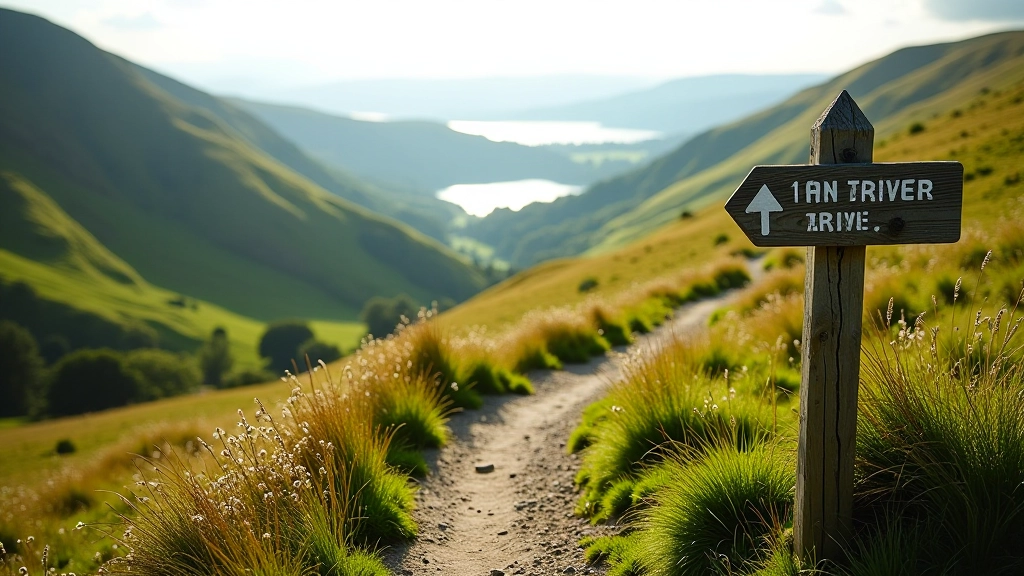
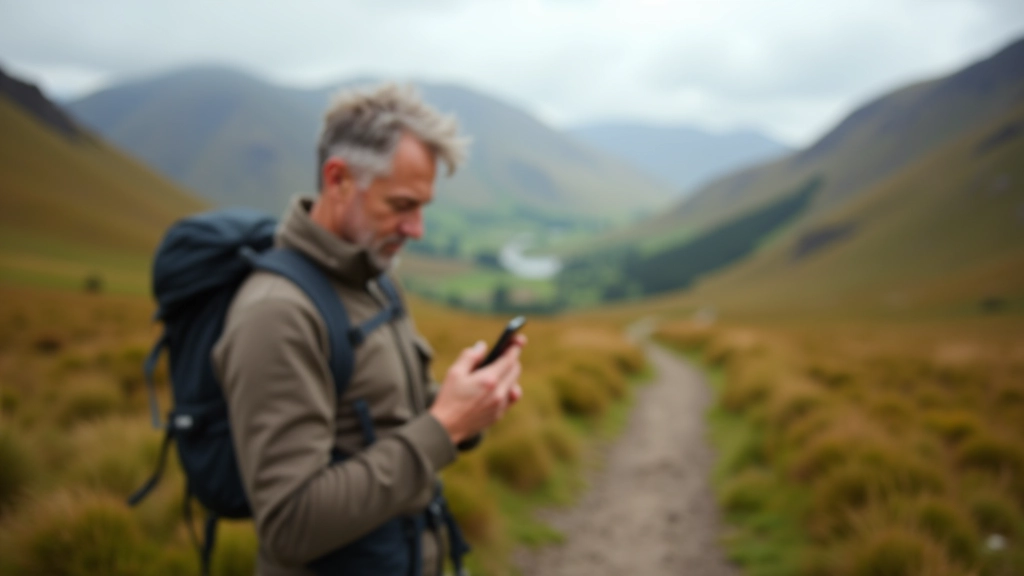
Keep your phone charged and turned on. You don't need a perfect signal everywhere — emergency calls work even with weak signal. Consider downloading offline maps before you go. That way you've always got navigation, battery or no battery.
Stay aware of your surroundings. That doesn't mean being paranoid — it means noticing weather changes, how tired you actually are, and whether the trail conditions are what you expected. If something feels wrong, it probably is.
Walk during daylight hours. This isn't a rule set in stone, but it's sensible. More people around means more potential help. Better visibility means fewer stumbles. You'll enjoy the views more anyway.
If Something Goes Wrong
Most solo walks go perfectly fine. But here's what you do if they don't. If you've injured yourself and can't walk, stay where you are. Don't try to hobble back. You've already told someone where you're going, so they'll raise the alarm if you don't check in.
Use your phone to call emergency services. Give them your location as specifically as you can — trail name, landmarks you can see, anything helpful. If you can't get a signal, send a text or WhatsApp message — these often go through when calls don't.
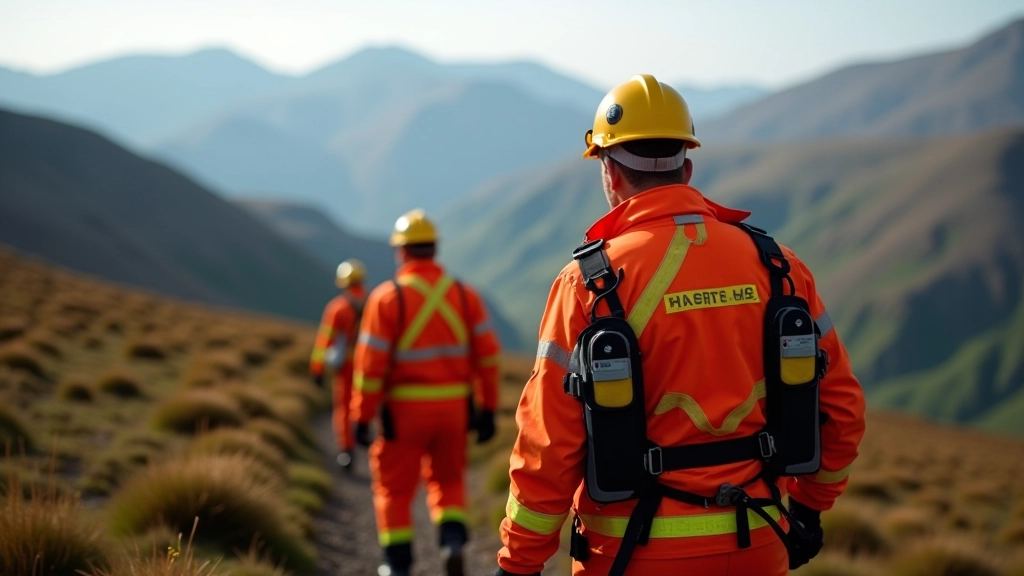
Use your whistle. Three 短 blasts is the universal distress signal. It travels far and cuts through noise better than your voice ever will. Stay calm. Rescue teams know these mountains and they're trained for this.
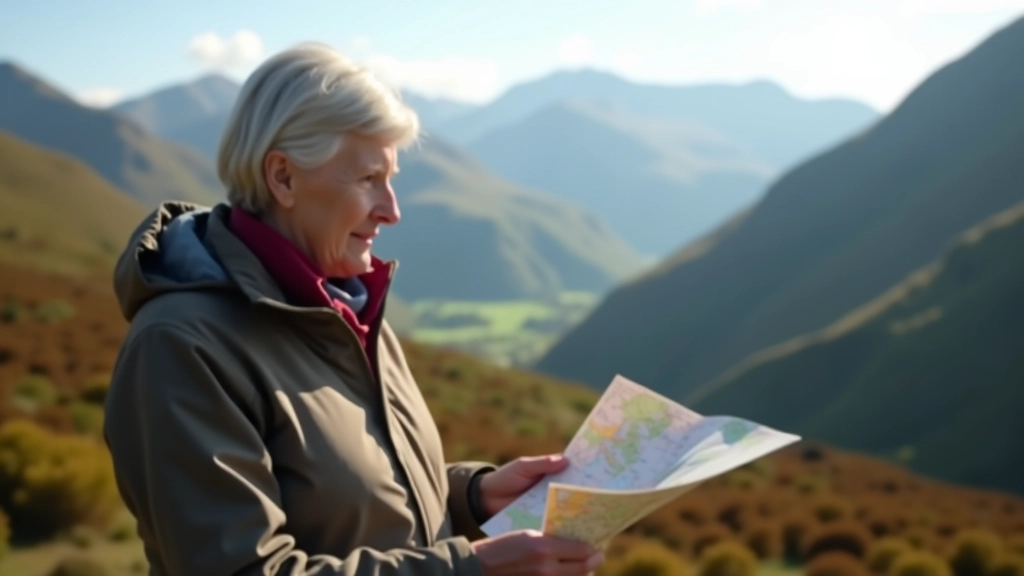
If you're just lost, don't panic. Stop, drink some water, and think. Retrace your steps to somewhere you recognize. Check your map. You're almost certainly closer to safety than you think.

The Bottom Line
Solo walking is something you can absolutely do safely. It doesn't require special training or expensive gear. What it does require is thinking ahead, being honest about your capabilities, and making sure someone knows where you are.
Start with familiar trails, tell someone where you're going, carry basic safety items, and trust your instincts. You'll build confidence with each walk. And you'll discover something most group walkers never get — the peace and freedom of exploring these mountains on your own terms.
Thousands of people walk these trails solo every year without incident. You can be one of them.
Important Note
This article provides educational information about solo walking safety practices. It's not a substitute for professional outdoor training, medical advice, or emergency services. Mountain conditions vary and weather can change rapidly. Always check weather forecasts, assess trail conditions, and consider hiring a local guide if you're new to the area. In case of emergency, contact local mountain rescue services immediately. Your safety is your responsibility.

